What Is Joya no Kane?
A Japanese New Year’s Tradition Explained
With the year coming to an end, let’s take a look at one of Japan’s most meaningful traditional events: Joya no Kane.
Joya no Kane is a traditional Buddhist ceremony held from late night on December 31 through the early hours of January 1.
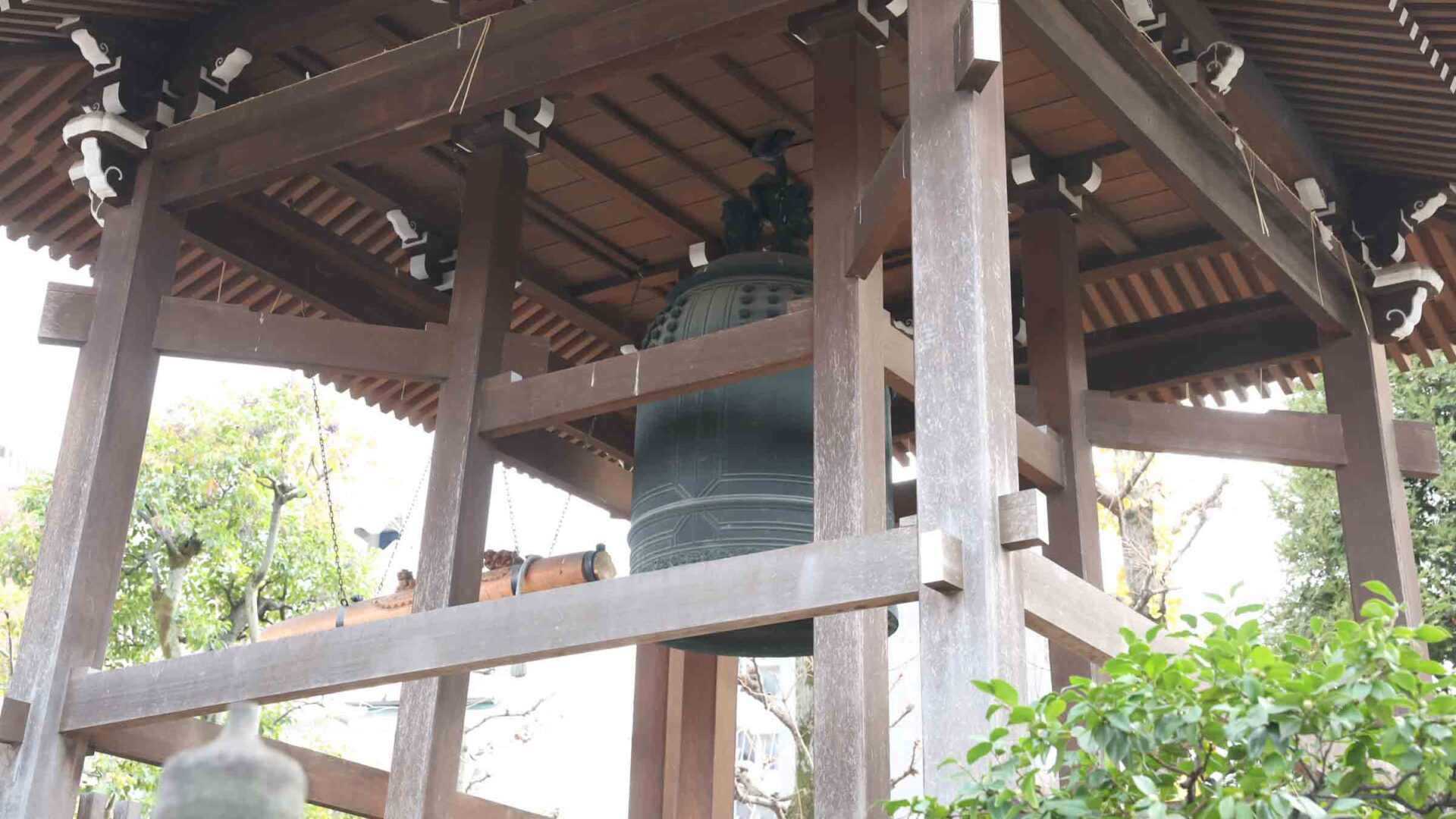
During this time, temples across Japan ring a large bell called a bonshō 108 times.
In Buddhism, it is believed that humans suffer from 108 earthly desires, such as anger, jealousy, and greed.
By ringing the bell 108 times, these negative feelings are symbolically cleansed, allowing people to welcome the new year with a pure and peaceful mind.
Joya no Kane at Asakusa Temple (Benten-yama)
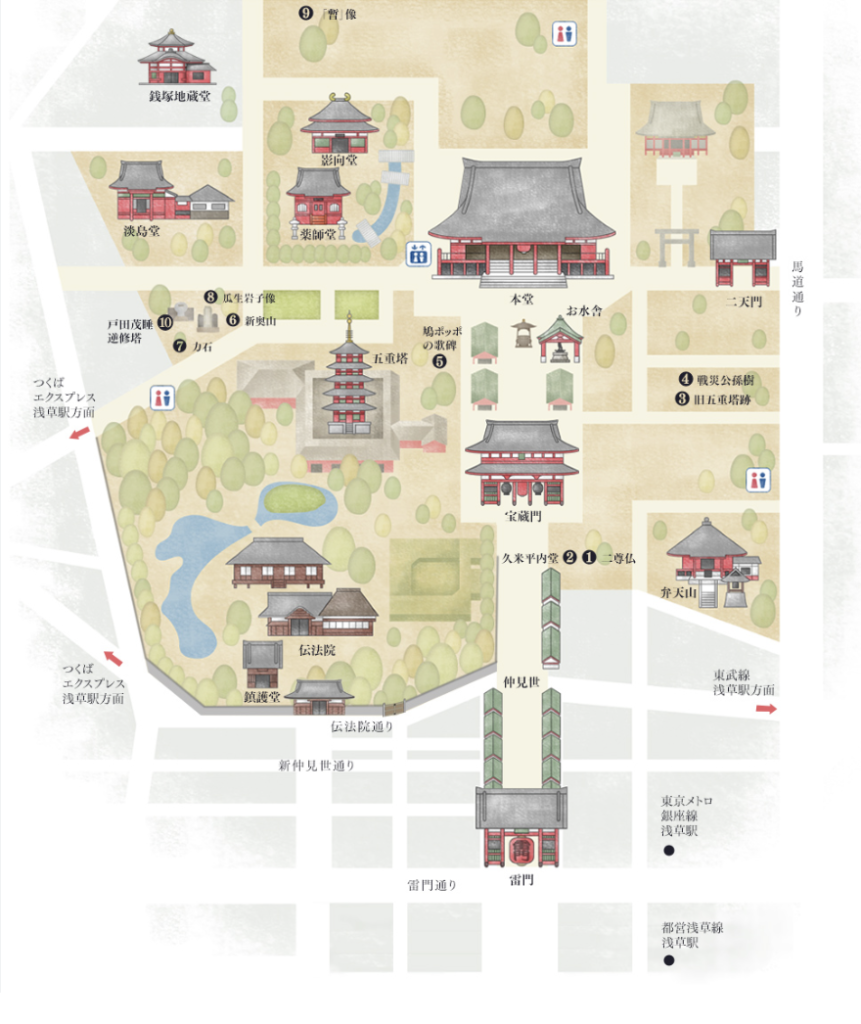
At Senso-ji Temple in Asakusa, the bell is rung at a place called Benten-yama, located on the right side of the temple grounds (as shown on the map).
The bell is usually struck by local residents, but people connected to Asakusa—such as manga artists or rakugo storytellers—sometimes take part as well.
I visited Benten-yama myself, and the stairs leading up are narrow and slightly steep, so caution is needed.
A Popular Photo Spot
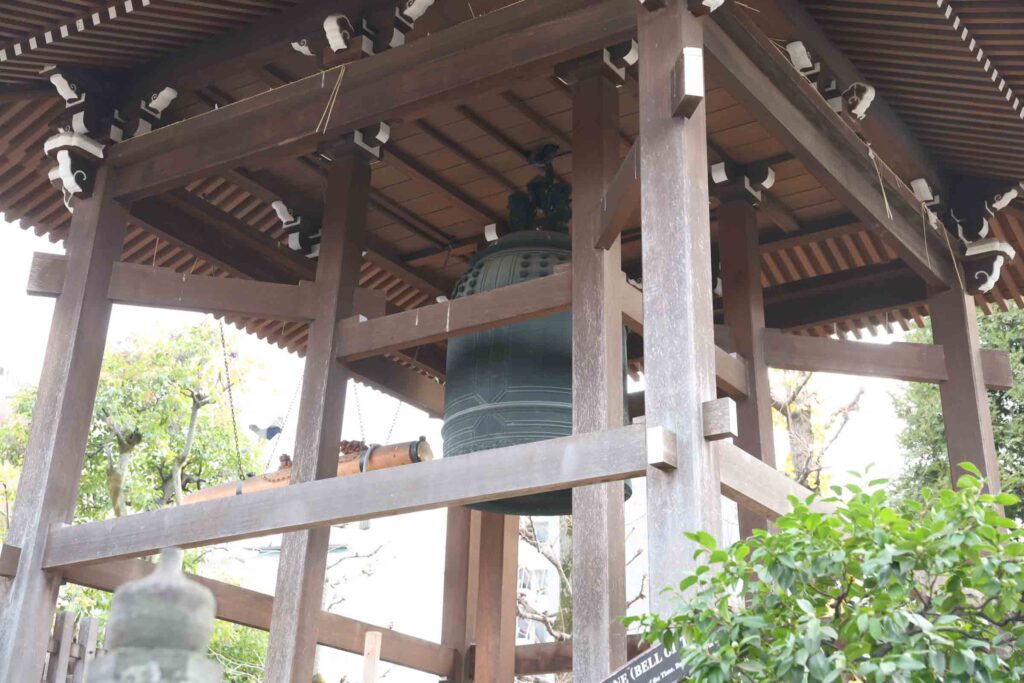
Benten-yama has also become a popular photo spot.
When I visited, several groups were already lining up to take pictures.
After climbing the stairs, you’ll find a large temple bell on your right.
Standing close to it, you can really feel the weight of history and tradition.
Featured on NHK’s “Yuku Toshi Kuru Toshi”
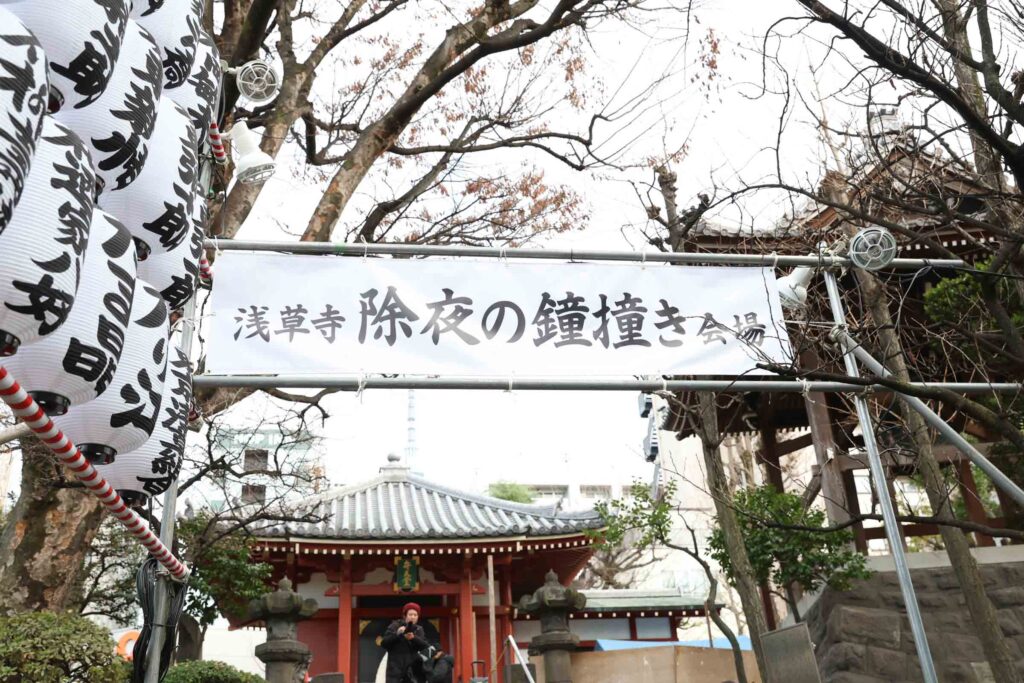
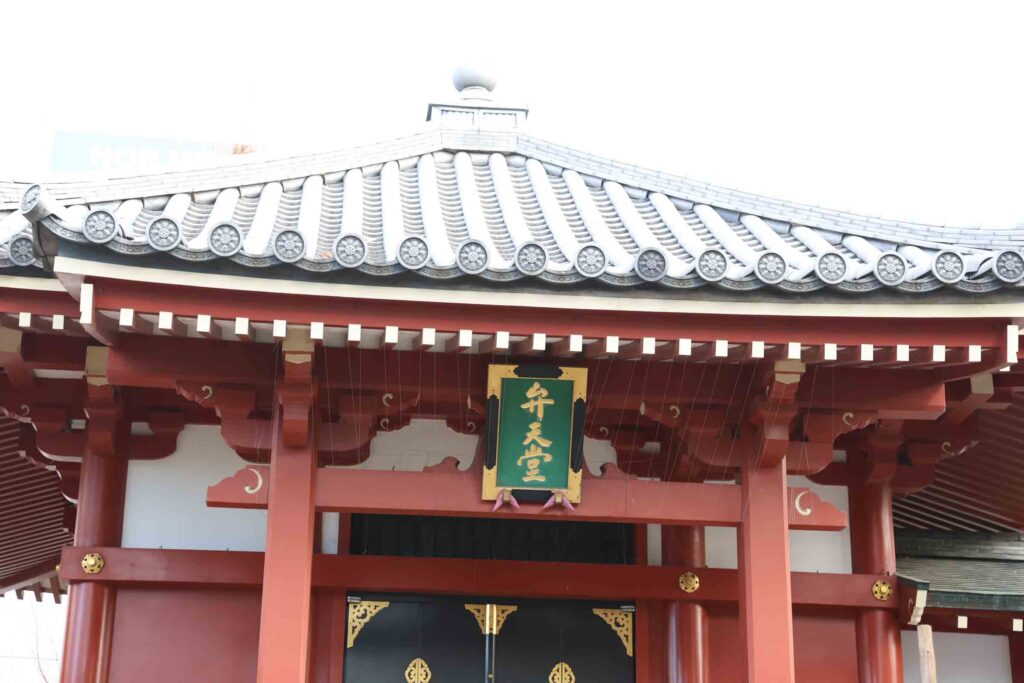
Every year on New Year’s Eve, NHK broadcasts a special program called “Yuku Toshi Kuru Toshi”.
The bell of Asakusa Temple is often featured in this broadcast, making it one of the most iconic sounds of the Japanese New Year.
If you would like to experience this moment in person and hear the bell with your own ears, Asakusa Temple is a wonderful place to visit.
The Best Place to Buy Souvenirs in Asakusa: You Can’t Go Wrong with Nakamise Street
Omikuji at Sensoji Temple: How to Enjoy Japan’s Famous Fortune Slips