Why Asakusa Is No Longer a Place to See — but a Place to Photograph
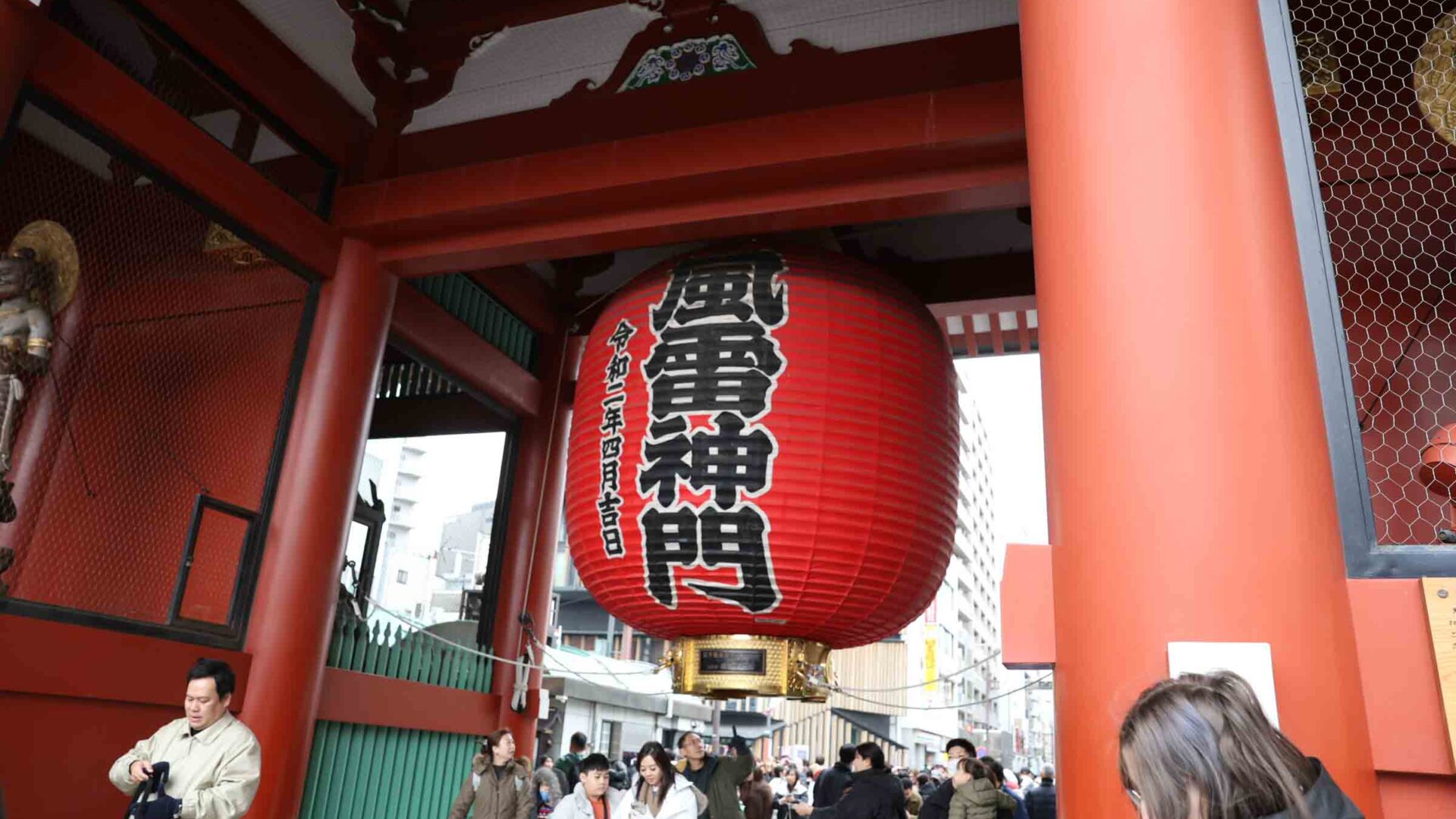
When was the first time I visited Asakusa?
That question suddenly came to mind, and I tried to dig up an old memory.
If I remember correctly, it was probably when I was in junior high school.
I think it was a school trip.
But my memory is vague — all I can recall is a random back alley scene.
Honestly, I’m not even sure it was really Asakusa.
The next clear memory came much later, after I started working.
I visited Asakusa during New Year’s with my boyfriend at the time.
It was the worst timing possible.
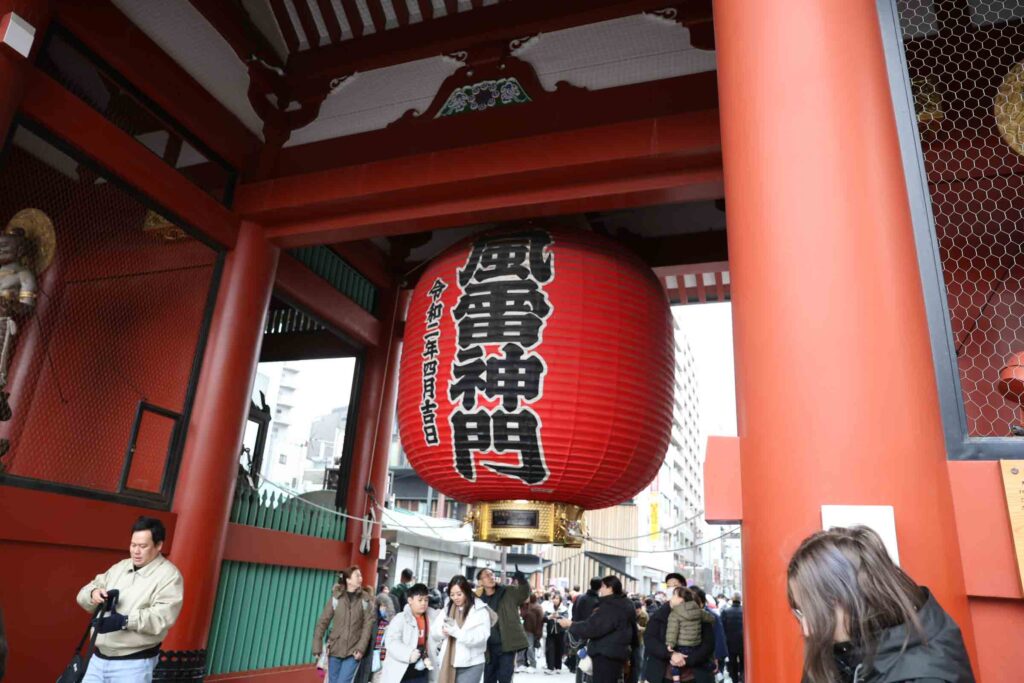
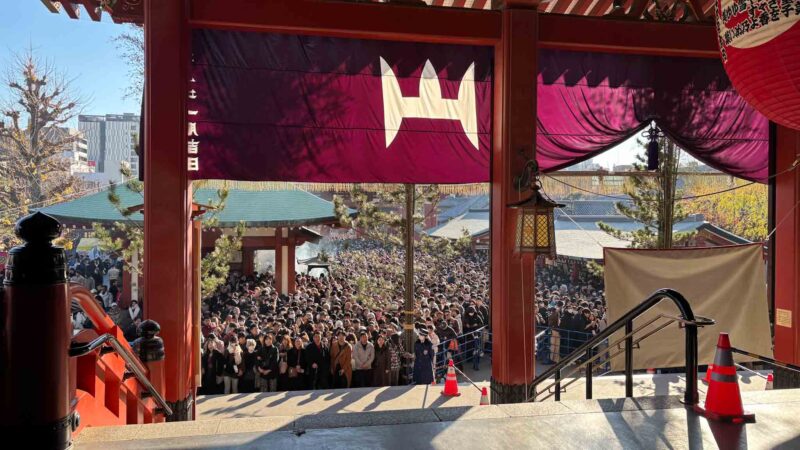
The crowd was so overwhelming that there was a long line just to reach the main hall, starting all the way from Nakamise Street.
It was freezing cold, late at night in January, and I was exhausted and sleepy.
I remember thinking, “I’m never coming back here again.”
At that time, Asakusa left me with no good memories at all.
That perception completely changed after I became a photographer.
I began visiting Asakusa regularly to photograph Shichi-Go-San ceremonies and memorable trips for international visitors.
As I grew older, I also started to notice things I had never cared about before — Japan’s traditional culture, rituals, and atmosphere.
Just as my own feelings toward Asakusa changed over time,
the city itself also feels like it has transformed.
Today, Asakusa is no longer just a place to see.
It is becoming a place to photograph.
This shift is closely tied to the times we live in.
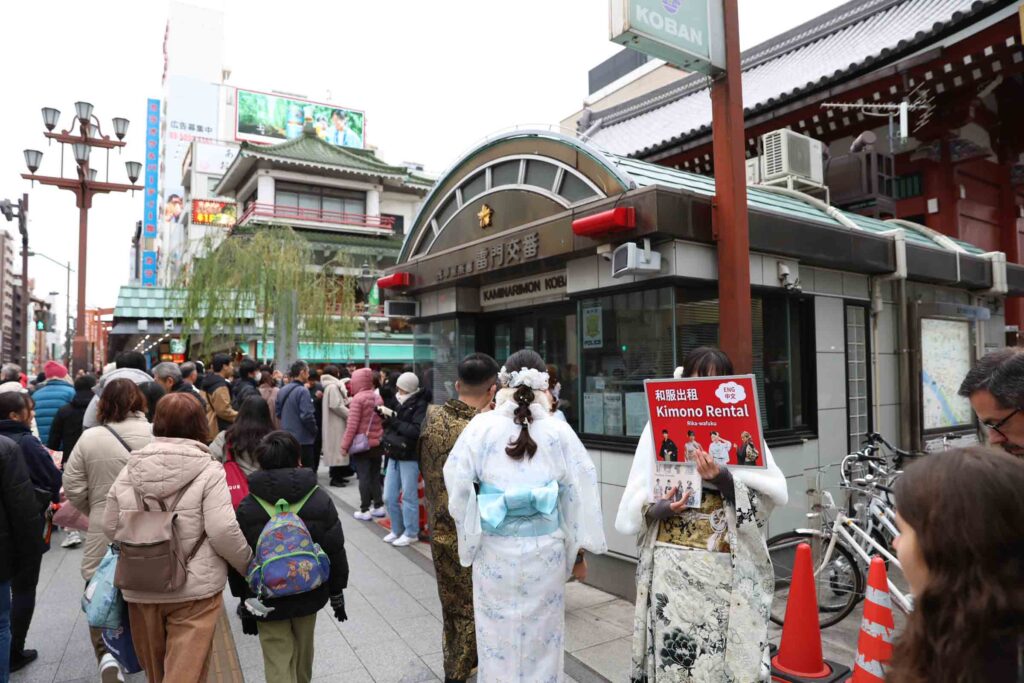
We are living in the age of social media.
Instagram, TikTok, and short videos dominate how people experience the world.
People search for places that look good in photos,
for angles that feel cinematic,
for moments that can move viewers emotionally and gain attention online.
For international visitors, Asakusa offers something rare:
a place where you can experience Japanese culture instantly —
and capture visually striking photos and videos at the same time.
I don’t see this as a negative change.
As times change, the way people perceive places naturally changes too.
And becoming a “place to photograph” doesn’t diminish Asakusa’s value.
In fact, it allows its beauty to reach far more people through social media.
When someone sees a photo of Asakusa and thinks,
“Wow, that’s incredible,” or “That looks beautiful,”
it becomes a form of promotion for the city itself.
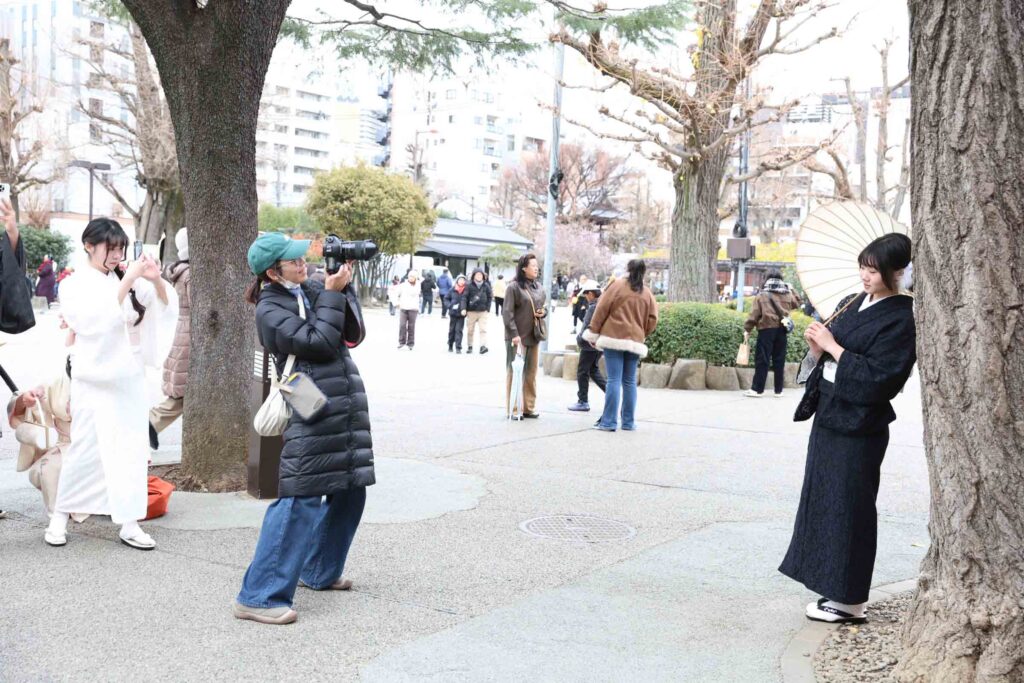
If young people who were never interested in Japanese culture begin to feel curious about Asakusa because of what they see online,
I can’t imagine a better outcome.
The same applies to AI — everything depends on how we choose to use it.
Even if Asakusa shifts from a place to see to a place to photograph,
it is still Asakusa.
And as I continue living my life over the next several decades,
I look forward to seeing how Asakusa keeps evolving with time.
The Best Place to Buy Souvenirs in Asakusa: You Can’t Go Wrong with Nakamise Street
Omikuji at Sensoji Temple: How to Enjoy Japan’s Famous Fortune Slips